
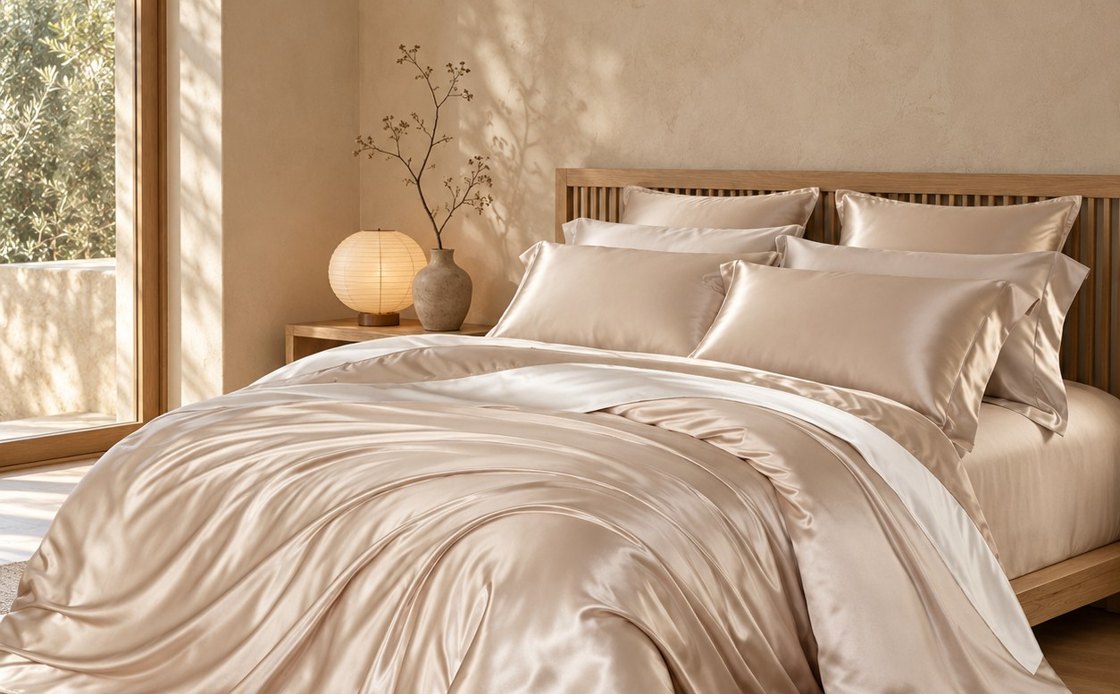
Most sleep advice is about what to do at 11 pm. The bigger levers are set earlier: how much light you get in the morning, how warm your bedroom is, and when you have your last coffee. These seven rules are the ones that make the most difference for the least effort.
Each rule is one change, a short reason and one thing to do. You do not need all seven. Pick the ones that fit your life and keep them for a week.

1. Get daylight before screens.
Morning light is the main signal that sets your body clock, and outdoor light is many times brighter than indoor light, even on a cloudy day.
Do: Spend 5 to 10 minutes outside within an hour of waking. Coffee on the balcony counts.
2. Make the bedroom truly dark.
Even moderate light during sleep is linked to lighter, more broken sleep.
Do: Use blackout curtains or a sleep mask, and cover standby lights with a small piece of tape.
3. Set the room cool.
Your core temperature has to drop a little for you to fall asleep, and a cool room helps it drop.
Do: Aim for 60-67°F (16-19°C). If you cannot cool the room, cool the bed: lighter layers and breathable fabrics such as linen or silk. Our linen vs cotton vs Egyptian cotton comparison explains which fabrics sleep coolest.
Free download
Get the 7 bedroom rules as a PDF, plus 10% off
One page you can keep by the bed, with a 10% welcome code for your first order. We send it straight to your inbox.
You can unsubscribe any time. We send a few calm emails a month, never spam.
4. Take a warm shower 1-2 hours before bed.
Warming the skin pulls heat to the surface and helps the core cool afterwards. Studies link it to falling asleep faster.
Do: Ten minutes, comfortably warm, roughly 60-90 minutes before lights out.
5. Have your last coffee 8+ hours before bed.
Caffeine lingers for hours. A large dose even 6 hours before bed has been shown to cut sleep by about an hour.
Do: Bed at 11 pm means the last coffee by 2-3 pm. After that, decaf or herbal tea.
6. Charge the phone outside the room.
The problem is less the screen light and more what is on it: messages, news and feeds that switch the brain back on.
Do: Put a charger by the door and use a simple alarm clock by the bed.

7. Awake for about 20 minutes? Get up.
Lying awake and frustrated teaches the brain that bed is a place to worry. Sleep specialists use this rule in therapy for insomnia.
Do: Go to another dim room, read something dull, and come back when you feel sleepy. No clock-watching.
Where to start
If you only change two things this week, make them morning daylight and a fixed wake time. They move everything else, including when you feel sleepy at night. Then dim the house after sunset: swap ceiling lights for warm table lamps with 2700K bulbs. For the room as a whole, see how to create a Japandi bedroom.
For the bed itself, breathable natural fabrics help on warm nights. Our bedding fabric guide explains linen, silk and Tencel, and the Nemu silk pillowcase is the simplest way to try silk. You can also browse our bedding sets in natural, breathable fabrics.
Frequently asked questions
What is the best bedroom temperature for sleep?
For most adults, about 60-67°F (16-19°C). If you cannot cool the room that far, use lighter layers and breathable bedding instead.
How long before bed should you stop drinking coffee?
Aim for at least 8 hours. Caffeine stays in the body for hours, so if you go to bed at 11 pm, have your last coffee by about 2-3 pm.
Does a completely dark room help you sleep?
Yes. Even moderate light during the night is linked to lighter, more broken sleep. Blackout curtains, a sleep mask and covering standby lights all help.
What should you do if you cannot fall asleep?
If you have been awake for about 20 minutes, get up, go to another dim room and do something quiet until you feel sleepy. Then go back to bed. Avoid checking the clock or your phone.
What bedding is best for hot sleepers?
Breathable natural fabrics: linen, cotton percale, Tencel (lyocell) or silk. Pair them with a lighter duvet insert, and avoid dense sateen and polyester sheets in warm months.
Free download
Keep these rules by your bed
One page you can keep by the bed, with a 10% welcome code for your first order. We send it straight to your inbox.
You can unsubscribe any time. We send a few calm emails a month, never spam.
This article is general wellbeing information, not medical advice. If you snore loudly, feel very sleepy during the day or have struggled to sleep for more than a few weeks, talk to a doctor.


Share:
Bedding Fabric Guide: Thread Count, Weaves, Silk, Tencel and Down Explained
Japandi vs Scandinavian Style: What's the Difference?